Garden seating and the features that make outdoor time easier
Garden seating is more than a place to sit for a few minutes. It shapes how a patio, deck, lawn, balcony, or poolside area gets used. A chair with the right angle invites a longer pause. A bench in the right spot turns a narrow path into a resting place. A lounge with a useful recline makes an afternoon feel unhurried. The best choices usually come down to everyday comfort, practical layout, and materials that suit the setting.
What garden seating is for
The term covers the movable or fixed pieces that make outdoor space usable for sitting, relaxing, eating, and talking. Chairs, chaise lounges, benches, stools, swings, and dining sets all fall into this broad group. Some pieces are built for quiet solitude, such as an Adirondack chair aimed toward a garden bed. Others support shared meals or a cluster of conversation around a side table.
Good garden seating does not have to be elaborate. Its job is to make the space feel natural to use. If a seat is too low, too deep, too hot in the sun, or blocked by a table, people tend to stand or move on. If it feels stable and comfortable, the area becomes part of daily routine rather than a decoration.
Comfort starts with body support
Relaxing outdoors is different from sitting at a desk or on an indoor sofa. People shift position, lean back, put feet up, turn toward shade, and reach for a drink. Seating that allows those small movements feels easier to live with.
Seat depth matters because it affects where the body rests. A deep seat can feel loose and relaxed, especially on a chaise lounge or wide chair. It may also make it harder for shorter users to reach the backrest without slouching. A shallower seat tends to suit dining and conversation because it keeps the body more upright. The right choice depends on whether the main use is lingering, eating, or reading.
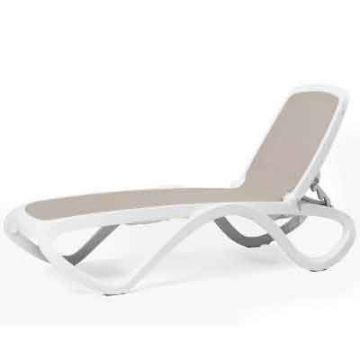
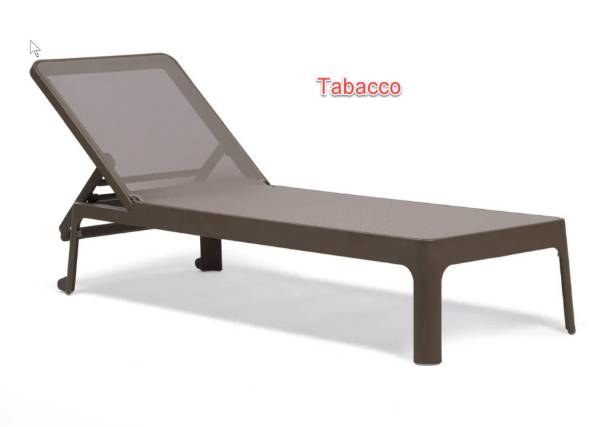
Back angle has a similar effect. A slightly reclined backrest helps the shoulders settle, while an upright back supports meals and conversation. Adjustable lounges offer more range, but they also add moving parts. Fixed seating is simpler and often feels more grounded. Neither option is automatically better. The question is what the space needs most of the time.
Armrests are another quiet contributor. They help with sitting down and standing up, and they give the arms somewhere to rest. For a garden bench, arms can also mark the end of a seat and make the layout feel deliberate. For a rocking chair, the arm position affects how relaxed the upper body feels during motion.
Placement changes how a seat feels
Even a comfortable chair can feel out of place if it sits in the wrong spot. Shade placement is one of the first things to consider. A seat under a tree or beside a sheltered edge can be used through more of the day. Full sun may be welcome in cool weather, yet it can make a seat unappealing during the heat of summer. A mix of sun and shade gives the space flexibility.
Wind also changes the experience. Lightweight chairs can shift or catch gusts, while heavier pieces stay steadier. A porch swing needs enough clearance around it, both for movement and for safe access. A bench along a boundary can feel calm when it faces a planting area rather than a wall or a busy route.
Traffic flow is easy to overlook. Seating should not block the path from a door to a dining area, pool, or gate. People need room to pass without turning sideways or squeezing between chairs. A relaxed arrangement often looks simple because the movement through it is simple.
The role of resin in outdoor settings
Material choice affects how much attention a seat needs and how well it fits outdoor conditions. Resin is a common option for patio and garden pieces because it can be shaped into clean profiles, repeated forms, and textured finishes. Some designs mimic the look of natural materials, while others have a smoother, more modern appearance.
Resin seating also tends to suit spaces where weight, moisture, or frequent cleaning shape the decision. A chair that can be moved for a gathering or stored for a season is easier to manage than a heavy fixed piece. In settings such as cafes, resorts, or shared terraces, repeated forms can make a seating area look orderly without feeling rigid.
Outdoor resin furniture sits within this wider group of patio and garden pieces, including chairs, dining pieces, benches, tables, chaise lounges, and swings. Its practical value comes from the way form and use meet. A resin chair can be light enough to move, while a resin dining set can create a stable surface for meals outdoors. The finish, shape, and proportions still matter as much as the material itself.
Texture deserves attention too. Smooth surfaces are easy to wipe, but they may feel slippery when wet. Slightly textured seats can offer more grip, though deep patterns may collect dust or leaves. A useful check is to picture the seat after rain, after a windy day, and after a busy meal. Comfort that only exists when everything is dry and tidy is not especially useful.
Small features that make daily use smoother
The most helpful details are often the ones people notice after repeated use. A side table within reach gives somewhere to set a cup, book, or phone. Without it, a chair can become a place where every item has to be held or balanced on the ground.
Foot clearance matters as well. A dining chair should slide close enough to the table without the front edge pressing into the legs. A bench should leave room for feet to rest naturally. A chaise lounge should allow the legs to extend without the frame pressing at the wrong point. These details are not visible in a quick glance, yet they decide whether a seat feels restful.
Stackability, folding, and easy movement can help when a space serves more than one purpose. A balcony may need seating for quiet mornings and open floor space later. A patio may host family meals one day and a larger gathering the next. Pieces that can be shifted or arranged quickly make the area more adaptable.
An ottoman can extend a chair into a longer lounging spot, though it needs storage space and clear floor area. A rocking chair can add gentle movement to a covered porch, but it needs enough room behind and in front. A porch swing creates a strong focal point, yet it works best where the frame and surrounding layout allow comfortable movement.
Matching seats to the way a space is used
A useful way to choose garden seating is to think in zones. Dining areas need seats that support an upright posture and tables that leave enough room for place settings and movement. Quiet corners can take deeper chairs, benches, or lounges. Social areas benefit from pieces arranged in a loose circle or small groups rather than a single straight line.
Scale is important. A large lounge can overwhelm a small balcony, while slim chairs may feel lost on a broad terrace. The open space around the seating matters as much as the furniture itself. Leaving some air between pieces helps the area feel calm and gives people room to move.
Mixing pieces can work when there is a shared element, such as a consistent finish, similar proportions, or a repeating shape. Too many styles can make a space feel unsettled. A garden bench beside dining chairs may feel natural if the materials and lines relate to each other. A single accent piece can add character without turning the whole area into a collection of unrelated choices.
Outdoor resin furniture can fit into these zones in a quiet, practical way, especially where consistent shapes and easy arrangement help the space work. The aim is not to fill every corner. A few well-placed seats, supported by useful tables and sensible spacing, often create a more welcoming setting than a crowded layout.
What to check before choosing
Before adding pieces, look at the space at different times of day. Notice where shade falls, where water collects, and where wind moves through. Check the path from the house and the distance to nearby planting, walls, or railings. These observations help prevent seats that look fine on paper but feel awkward in use.
Then match the seat to the body and the task. Consider seat depth, back height, arm position, and whether the piece supports sitting upright or leaning back. For dining, check that chairs fit under the table and leave enough room to eat comfortably. For lounging, look for a shape that supports the legs and back without forcing the body into one position.
Finally, think about upkeep in plain terms. Outdoor seating collects pollen, dust, rain, and food debris. Pieces with fewer tight crevices are usually easier to refresh. Open frames may shed water quickly, while cushions add softness but need drying and storage space. The right choice is the one that fits both the pleasant parts of outdoor living and the ordinary maintenance that comes with it.
Garden seating works best when it supports real habits: a brief coffee, a long read, a shared meal, or a quiet moment near the plants. Comfort, placement, material, and spacing all play a part. When those pieces work together, an outdoor area becomes easier to use and more inviting without needing to be complicated.